I get this question a lot, and I actually love it, because it gives me a chance to be real with people. Is a cosmetic dentist different from a regular dentist? Is it a real specialty? Does it matter who you see? Here is the honest answer, from someone who does both kinds of dentistry every day here in Raleigh.

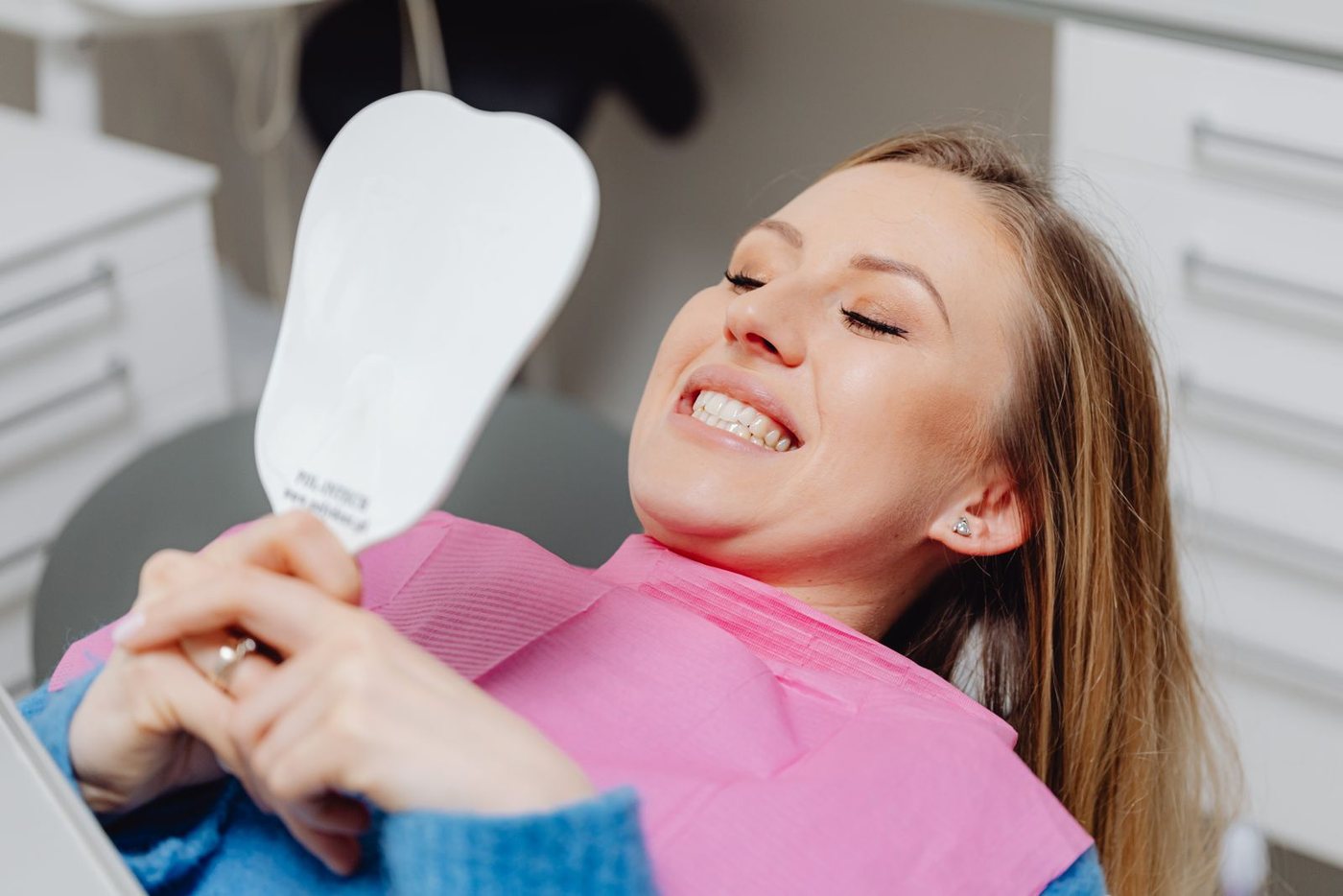
Cosmetic dentist talking a young woman through her smile design as she checks her teeth in a mirror
It starts with what you actually see when you smile.

The short answer: every cosmetic dentist is a general dentist first

We all went to dental school. We all did the same foundational training, and we all passed the same licensing exams. Nobody becomes a cosmetic dentist instead of becoming a dentist.

The difference is what we chose to do after that, and how deep we went into it. That is where two dentists who look identical on paper can end up doing very different work.

What a general dentist does

A general dentist is focused primarily on keeping your mouth healthy. That is essential work, and I do that work too. It covers the everyday care most people picture when they think about going to the dentist:

  • Regular cleanings and exams
  • Fillings when decay shows up
  • Crowns when a tooth breaks down
  • Treating gum disease
  • Catching problems early, before they become painful or expensive

If that is all you ever need, a good general dentist is exactly who you want. I would never talk anyone out of that.

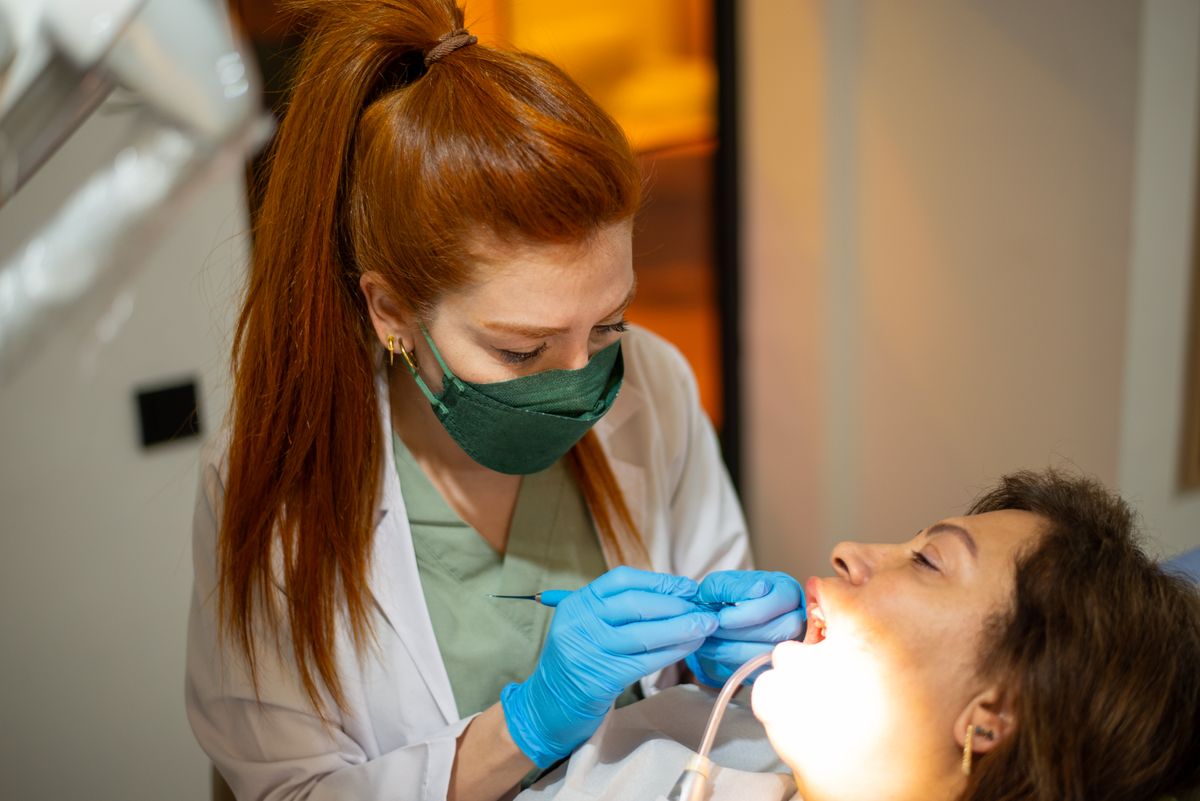
Female dentist examining a woman's teeth during a routine dental checkup
Keeping your mouth healthy is the foundation for everything else.

What a cosmetic dentist adds

A cosmetic dentist who is really invested in this has gone further. We have spent years studying the aesthetic side of dentistry, and that is a different skill set that takes a long time to develop.

Smile design, not just teeth

It is not only about the tooth in front of you. It is proportion. It is how your teeth relate to your face, your lips and your gumline. A tooth that looks perfect on its own can look completely wrong in your smile if those relationships are off.

A veneer should look like a tooth, not a Chiclet

How a veneer is shaped is what makes it read as a real tooth instead of a flat white block. That comes from training your eye, and your hands, over a great many cases.

The analogy I always use

A family doctor and a plastic surgeon both went to medical school. The family doctor is critical. You need them. But if you are talking about a rhinoplasty, you are going to someone who has spent years on exactly that. It is the same idea here. The tools overlap. The eye is different, and the eye takes years to develop.

General dentist vs cosmetic dentist at a glance

General dentist Cosmetic dentist
Dental school and license Yes Yes, exactly the same
Main focus Health, prevention, decay and gum disease All of that, plus how your smile looks
Typical work Cleanings, exams, fillings, crowns Veneers, bonding, whitening, smile makeovers, aligner planning
Additional training Continuing education Years of smile design and aesthetic training
ADA recognized specialty No, it is general practice No

Is a cosmetic dentist a real dentist?

Yes, completely. A cosmetic dentist went through the same dental school, passed the same licensing exams and holds the same license as any other dentist.

What surprises people is the other side of that. Cosmetic dentistry is not a recognized dental specialty. The American Dental Association’s National Commission on Recognition of Dental Specialties and Certifying Boards recognizes twelve dental specialties, including orthodontics, periodontics and prosthodontics, and cosmetic dentistry is not one of them. That means, technically, anyone can call themselves a cosmetic dentist.

So the title on the sign does not tell you very much. The license is the same. The difference is the depth of focus, the training behind it, and the work you can actually see.

The training that actually matters

Let me tell you my story, because I think it explains this better than any list of credentials would.

Why I became a dentist

I have loved art since I was a kid. Drawing and creating were always my thing. When I was in high school trying to figure out what to do with my life, dentistry clicked for me in a very specific way. It was the one place where I could combine artistry, science and actually working with people. Making someone smile. That was it.

That is why I went to dental school at UNC. Even there, I was completing veneer cases, something almost no one else was pursuing at that stage. I remember waxing up a smile design once, and my professor pulled it out to show the entire class how to do it correctly. That meant everything to me, because I was not just checking boxes. I was genuinely obsessed with getting it right.

What came after dental school

Then I kept going. This is what that looked like:

  • A year-long residency in Advanced Education in General Dentistry, where I completed multiple complex cosmetic cases
  • Studying under Dr. Frank Spear, one of the most respected educators in dentistry and one of my first mentors in the deeper principles of occlusion and aesthetics. Today I lead a Spear Study Club.
  • A full course focused specifically on porcelain veneers, taught by Dr. Marvin Berlin
  • Training with Dr. Karla Soto on using Invisalign and SmileArchitect together, because the best cosmetic outcomes are not about teeth in isolation. They are about how everything fits.
  • More recently, deepening my work with Dr. Marshall Hanson, whose approach has shaped how I think about long-term smile health, not just short-term looks

That is the kind of training that matters. Not a weekend certification course that hands everyone a certificate. Years of mentorship, real cases, and continuing to study, because this field keeps evolving.

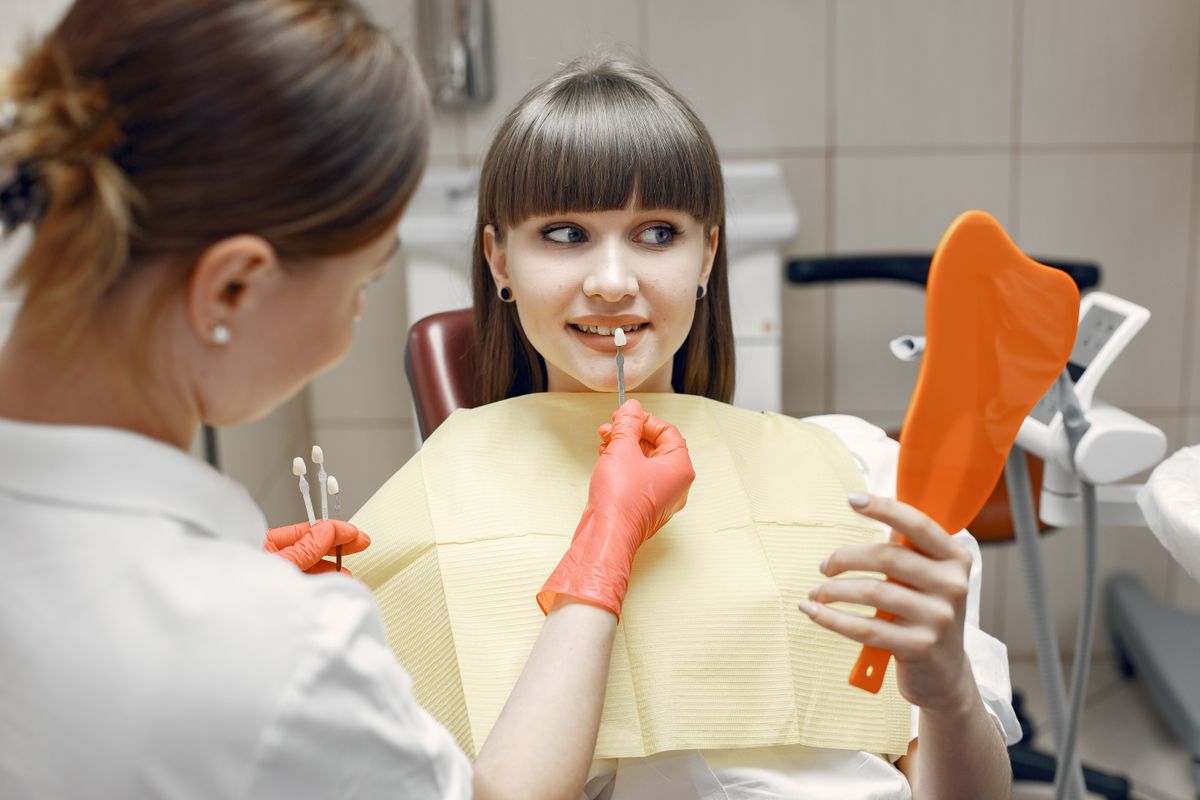
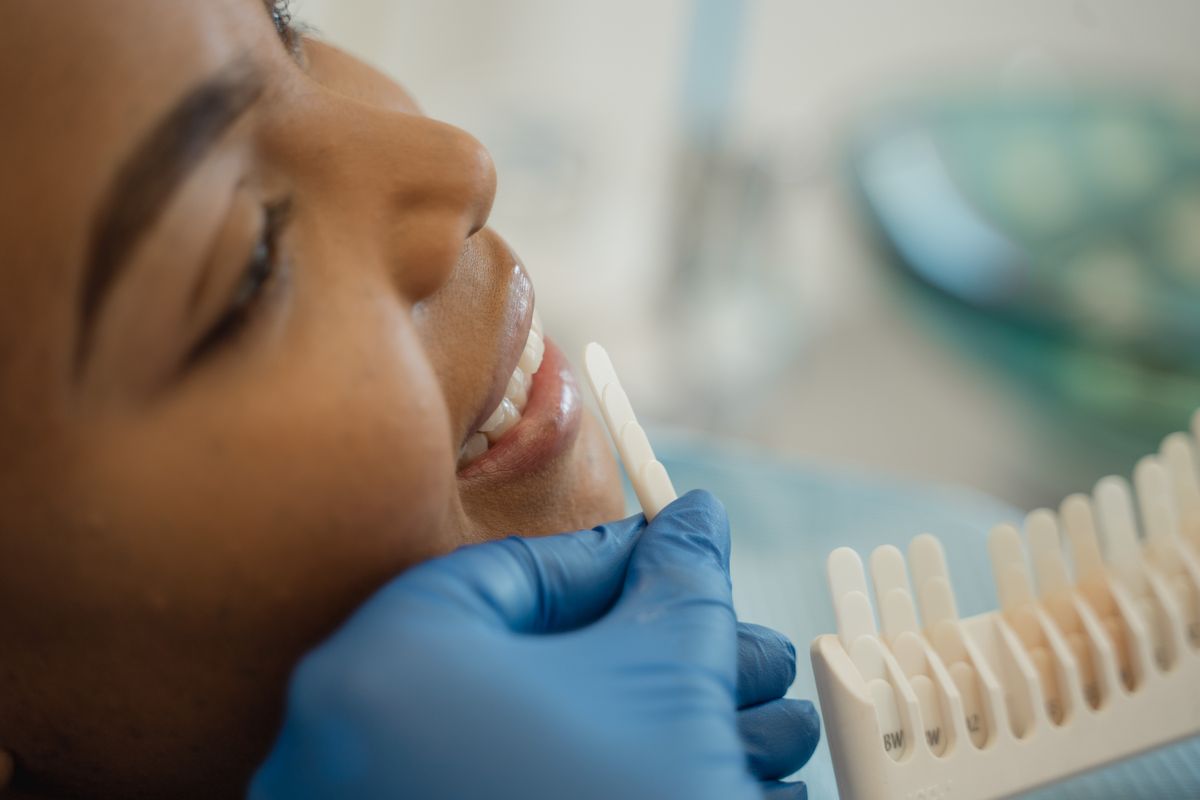
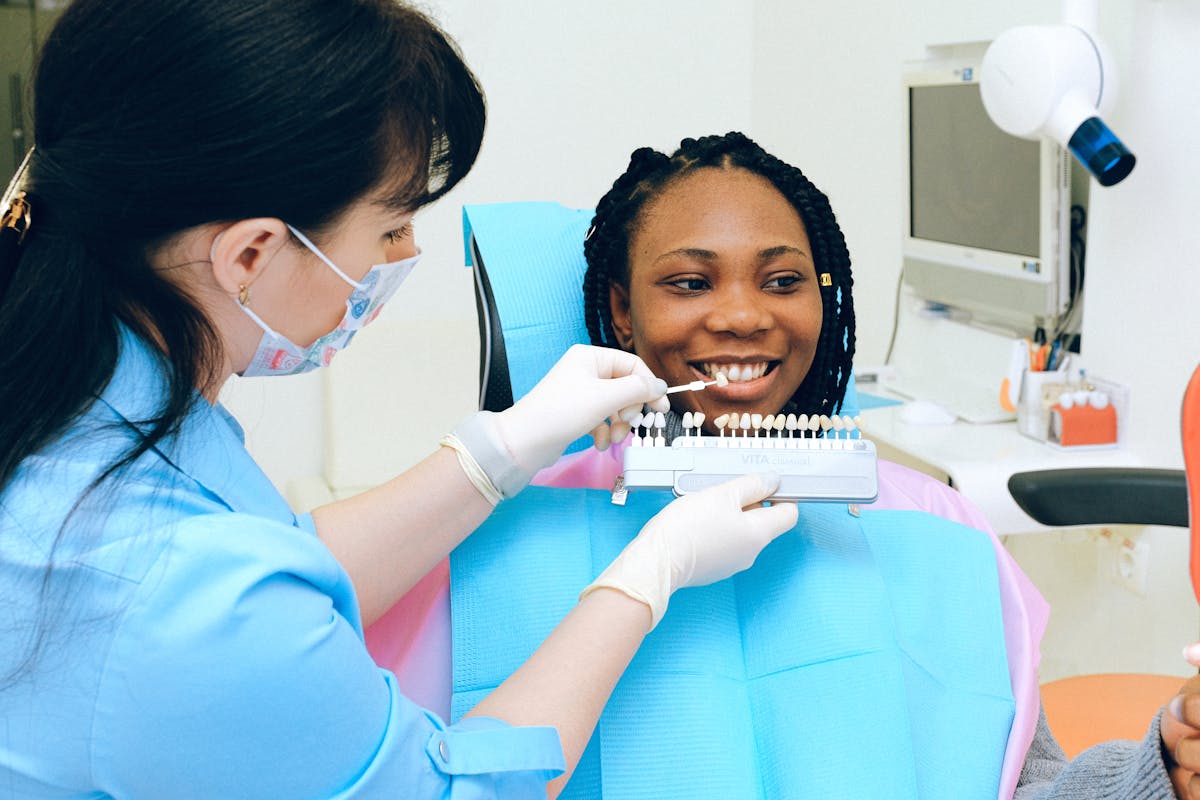
Dentist matching a shade guide to a woman's natural teeth before cosmetic treatment
Shape and shade are what make a veneer read as a real tooth.

Why conservative work is the whole point

The way I think about cosmetic dentistry now is using art to restore someone’s smile without having to cut away their good enamel.

We do not want to ruin a healthy tooth in order to make it look better, because we have to think about the long-term result. Enamel does not grow back, so a smile that looks great this year but cost you healthy tooth structure is not a good trade.

So when we plan a case, we look for the least invasive way to get there first. Depending on your smile, that might be:

  • Whitening, when color is the main thing bothering you
  • Bonding to reshape or repair a tooth without removing enamel
  • Straightening with Invisalign before anything else is touched
  • Veneers on only the teeth that actually show when you smile

A full makeover is one option, never the default.

The biggest misconception: that it is all about vanity

People come in almost apologetically sometimes, like they have to justify wanting a beautiful smile. I want to stop them right there.

The way you feel about your smile affects everything. Your confidence. How you show up in a room. Whether you laugh freely or hold back, whether you go for the job, take the photo, let yourself be seen. I have had patients who had not smiled openly in years, who covered their mouth when they laughed. When we finished their treatment, whether that was veneers, whitening or a full smile makeover, the shift was not just cosmetic. It was something much, much bigger.

She had been told her teeth could not be saved

One patient came to me because her daughter, who is also a patient of mine, recommended us. She came in very hesitant, worried that I would judge her.

She had already been to multiple dentists. Her upper teeth had been removed and replaced with a denture. Her lower teeth were dark, and she had been told many times that they could not be restored and would have to come out too. She had simply given up. She was not seeing a dentist at all until her grandchildren started asking why she had dark spots on her teeth.

She was so embarrassed that she stopped spending time with her friends. She was barely leaving the house. It truly affected her quality of life.

I examined every tooth and told her I would do anything I could to try to save them. And we were able to do just that.

Now when she comes to our office she is glowing. She is smiling and laughing with us. She told me it changed her whole life, and everyone tells her she has such a beautiful smile. She always did. She just was not able to show it anymore. Being able to give someone that back, so they can enjoy their life again, means so much to me.

She told her own story better than I can. This is her, in her words:

View this post on Instagram

Will cosmetic dental work look fake?

This is the other misconception: big, blinding white veneers you can spot from across the room. And yes, bad cosmetic dentistry is very visible. That is exactly why the artistry matters.

When it is done well, you should not be able to tell. The goal is always a smile that looks like the best version of yours. Natural, proportional, believable. If someone cannot tell you have had work done, we did our job.

My own dad’s veneers

I have a perfect example in my own family. My dad had really nice, straight teeth all his life. Over the past few years they wore down, food started getting stuck in the back, and his smile just was not his anymore.

I told him I wanted to restore that for him, and even my own dad was hesitant. He said he did not want a fake smile. I told him no, I want to give you back what you had. So I did veneers for him.

They look so natural that no one has noticed, including my husband, who works in the same office. He told me he had no idea my dad had veneers. My dad looks ten years younger, just the way I remember him from when I was growing up. And I inherited my smile from him, so that one was extremely special to me.

Here is his before and after:

View this post on Instagram

“The first time I was not thinking about my teeth”

Another patient was the accomplished, polished kind of person who has everything together on the outside. She described what she called a small thing: a few teeth she had always been self-conscious about. She had crowding fixed years earlier but never loved the final result.

We did a smile design consultation, looked at photos, and talked about proportions and about what she actually saw when she looked in the mirror. Then we did targeted, conservative work. Not a full makeover, just the teeth that showed most when she smiled.

She came back and told me something I still think about. She had given a presentation the week before, and for the first time she was not thinking about her teeth the whole time. That is it. That is the whole point. When cosmetic dentistry is done right, it gets out of your way.

How to choose a cosmetic dentist in Raleigh

Because anyone can use the title, the title alone will not protect you. This is what I tell people to do, wherever they end up going:

  1. Look at the actual work. Ask to see real before-and-after photos of the dentist’s own cases, not stock images.
  2. Ask about their training. Who did they study under, and for how long? The answers will tell you a lot.
  3. Ask what the conservative option is. A good cosmetic dentist should be able to explain how to reach your goal while keeping as much of your natural tooth as possible.
  4. Ask to see a smile design before anything is done. You should understand what you are getting before any tooth is touched.
  5. Read what patients say. Years of reviews from real people tell you how a practice actually treats you.

Our patients also voted for us. In the News and Observer’s annual Raleigh’s Best awards, Fusion Dental Care won Gold for Best Cosmetic Dentistry in 2025 and 2022, Gold for Best Dentistry in those same years, and Silver for Best Dentistry in 2024. Those are community votes, which is the kind I care about.

So who is the best cosmetic dentist in Raleigh? I will let the work and our patients answer that. You can see real cases in our smile gallery and read what our patients say. We have nearly 1,200 Google reviews with a 4.9-star average, and smile transformations are at the center of what I do.

Frequently asked questions

What is the difference between a dentist and a cosmetic dentist?

A general dentist focuses on dental health: prevention, decay, restorations and gum disease. A cosmetic dentist does all of that and has spent years of additional training on the appearance of your smile, including proportion, shape, shade and how your teeth fit your face.

Is a cosmetic dentist a real dentist?

Yes. Every cosmetic dentist graduated from dental school and holds the same license as any other dentist. Cosmetic dentistry is not one of the twelve specialties recognized by the ADA, so what sets a cosmetic dentist apart is their additional training and the quality of their work.

Can a general dentist do cosmetic dentistry?

Yes. Any licensed dentist can offer whitening, bonding or veneers. How the results turn out depends on how much training and experience that dentist has in aesthetic work, which is why seeing their own before-and-after cases matters so much.

Why do some dentists advise against veneers?

Usually because traditional veneers can mean removing healthy enamel, and enamel does not grow back. That is a fair concern. It is why I look at the most conservative option first, whether that is whitening, bonding, straightening, or veneers designed to preserve as much of your natural tooth as possible.

Does insurance cover cosmetic dentistry?

Dental insurance generally does not cover treatment done only to change how your smile looks. Work that also repairs a damaged or decayed tooth may be partly covered, so it is worth checking your plan. We also offer payment plans and a membership to make treatment easier to budget for.

Will veneers look fake?

They should not. Well-designed veneers are shaped and shaded to suit your face, your lips and the rest of your smile. If people cannot tell you have had work done, it was done right.

See what is possible for your smile

If something about your smile has been bothering you, come in for a consultation. We will show you real cases, talk through your goals, and give you an honest picture of what would actually make a difference, including whether you need anything cosmetic at all.

You can book your first visit, read more about my training and approach, or, if you are also thinking about replacing a missing tooth, see what dental implants cost in Raleigh.

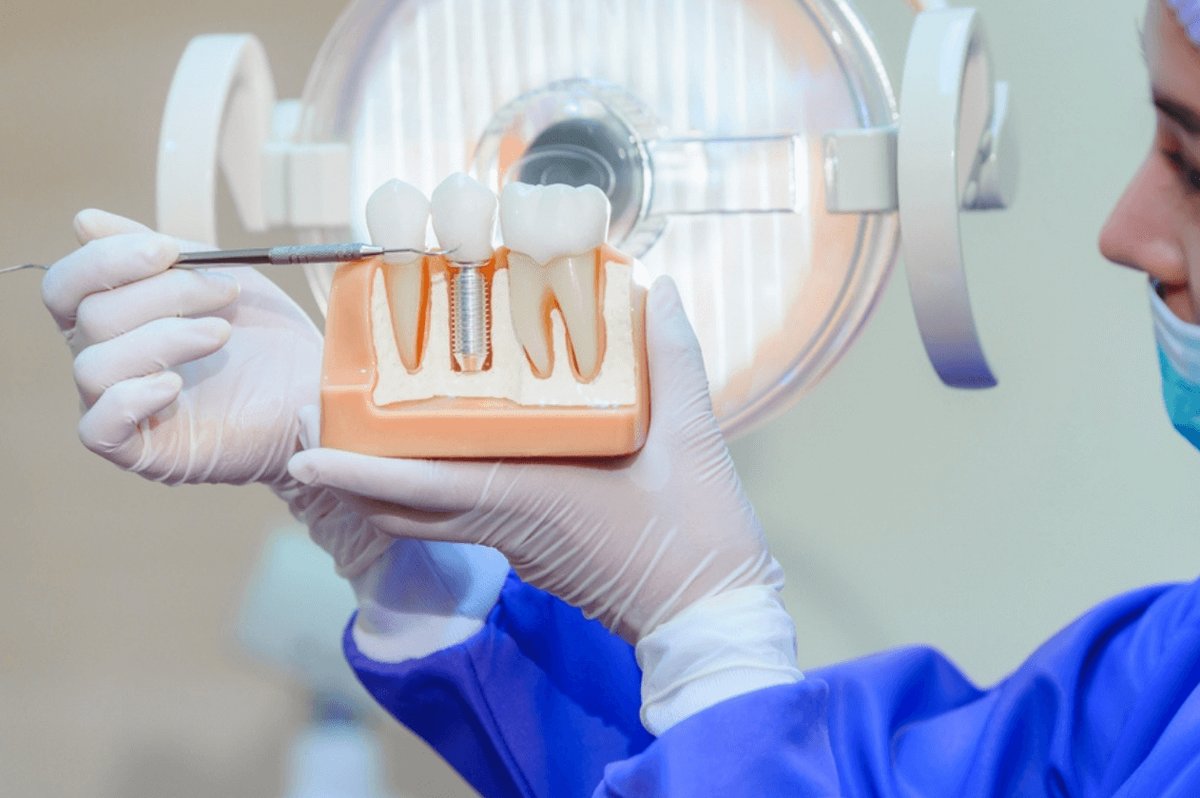
Dentist at Fusion Dental Care in Raleigh holding a dental implant model

If you have been quoted a number for a dental implant in Raleigh and it made you wince, you are not alone. It is the first question almost everyone asks me, and it deserves a straight answer rather than “it depends.” So here is what implants actually cost around here, what you are paying for, and the specific things that move that number up or down.

Woman smiling in a dental chair as her dentist prepares for an implant consultation
Most implant conversations start with cost. It should be the easiest part to explain.

What a dental implant actually costs in Raleigh

I will be straight with you. In North Carolina, a single implant from start to finish runs somewhere between $5,000 and $6,500 at most reputable practices, depending on your situation. That is the going range, and it is what you should expect to hear if you call around.

Why the quote usually arrives in two pieces

Here is the part that catches people off guard. That total is often not one bill from one office.

If you are sent to a specialist for the surgery, the implant placement itself typically runs $2,000 to $3,000. That covers the post, the titanium screw that goes into the bone. But a screw in your jaw is not a tooth. You still have to go back to a general dentist who makes and fits the crown on top, and that is usually another $3,000.

So you do not truly have a tooth until both halves are done, and the real number lands somewhere around $6,000. Two offices, two schedules, two bills, and a lot of room for things to fall between the cracks.

That split is not just an accounting detail. It means two sets of records, two people forming an opinion about your case, and nobody who owns the outcome from beginning to end. When the surgeon and the restoring dentist are different people in different buildings, the handover is where problems tend to appear, and the patient is the one who ends up carrying messages between them.

What that looks like side by side

What you are paying for Typical Raleigh pricing Fusion membership package
Consultation Often billed separately Included
3D cone beam CT scan Often billed separately Included
Custom surgical guide Often billed separately Included
Implant placement surgery $2,000 – $3,000 Included
Abutment and crown About $3,000 Included
Total $5,000 – $6,500 $3,500

What our $3,500 implant package includes

At Fusion we put together a membership package that brings everything, and I mean everything, down to $3,500. That is roughly half of what the same treatment costs when it is split across multiple offices.

Everything in the package

  • The consultation
  • A 3D cone beam CT scan, taken in our office
  • A digital scan of your teeth using our iTero 3D scanner
  • A custom surgical guide, designed and 3D printed here
  • The implant placement surgery, with conscious sedation available
  • The abutment
  • The crown, which is the part that finally gives you a tooth again

When people hear that number next to what they have been quoted elsewhere, the reasonable reaction is that it sounds too good to be true. I understand that. It is not a bait and switch. It is a package we built deliberately so our patients do not have to nickel and dime their way through treatment, and so nobody gets halfway through and discovers the crown was never included.

Why implants cost what they do

Here is what I tell patients: you are not paying for one appointment. You are paying for the whole journey.

The planning happens before we touch anything

We take a 3D cone beam CT scan up front, on our own equipment, and I use it to plan exactly where that implant goes. We are not guessing and we are not eyeballing it.

Then we scan your teeth with a 3D scanner to get a digital mould, and from that scan plus the 3D x-ray we make a custom surgical guide, printed here in our own office. That guide is why placement is so precise, and it is also why it is comfortable: with a guide, we often do not have to open up the gum tissue at all. Healing is faster and the whole thing is far easier on you.

The parts themselves have to meet a standard

Dentist matching a crown shade against a female patient's natural teeth
The 3D scan is what turns placement from an estimate into a plan.

That guided, flapless approach matters more than it sounds. Opening the gum tissue is what makes implant surgery feel like surgery, and it is a large part of why recovery is uncomfortable when it is uncomfortable. Avoiding it is better for healing, better for the gum line around the finished tooth, and a great deal better for how the appointment feels.

The implant fixture, the titanium post, has to meet very specific manufacturing standards. Then there is the abutment, and the crown made by our lab once we scan the final implant position. Add the surgical time and every follow-up visit, and there is genuinely a lot in there.

All of it is wrapped into the $3,500. When I explain the value, I show people exactly what is included. There is no mystery and no “the implant is this much, and now here come the add-ons.” One number, one package, done.

I always say implants are the closest thing we have to a real tooth, and they are designed to last. When you spread $3,500 across twenty or thirty years, you are talking about a few dollars a month. That math changes the conversation completely.

Does getting a dental implant hurt?

Honestly, this is the question where people are most surprised by the answer. Getting an implant is not what you are imagining.

What the appointment actually feels like

You are numb the whole time. You feel pressure, but not pain. Most of my patients come back afterwards and tell me it was far easier than they expected, and that there was basically no pain at all. The anticipation is worse than the reality, almost every time.

Relaxed female patient smiling after a comfortable dental implant appointment
The anticipation is almost always worse than the appointment.

Recovery, honestly

The soreness afterwards is very manageable. Most people take an ibuprofen the same day and that is the end of it. Plenty go back to work the same day or the next.

I have had patients tell me a tooth extraction was considerably harder than the implant, and in my experience that is genuinely true.

If you need bone grafting first, there is more involved and the recovery takes a little longer. But the implant itself tends to leave people pleasantly surprised.

How long the whole process takes

People often assume an implant is a single long appointment. It is really a short series of short visits with a healing period in the middle, and knowing that up front makes the whole thing much easier to plan around.

The straightforward case

If the tooth has been missing for a while and the bone is healthy, we scan, plan and place the implant, then let it heal for around three months while the bone integrates with the post. After that we scan the final position and fit the crown. Two short appointments, with a wait in between during which you carry on with your life normally.

When a tooth still has to come out

If the tooth is broken and still in place, we extract it and place a bone graft first. That graft needs time to heal before the site can take an implant, which adds months rather than weeks to the timeline. It is not a complication, it is just a longer road, and it is far better to know that at the start than to discover it halfway through.

This is also the honest reason I encourage people not to wait. A tooth that has just broken is a simpler case than the same tooth six months later, and simpler cases cost less.

What moves the price up or down

The package price assumes a straightforward case. Here is what makes a case straightforward, and what does not.

  • A tooth that has been missing for a while. We look at the 3D x-ray, and if the bone is good, the site is ready for placement. This is exactly where the package price applies, because there is nothing else to do first.
  • A broken tooth that still needs to come out. Now we extract, place a bone graft, wait for it to heal, and then place the implant. More visits, more time, more cost.
  • Neighbouring teeth that also need crowns. That is separate work alongside the implant.
  • More than one implant. An implant bridge or a full arch prosthesis is a different scale of treatment entirely.
  • Where the tooth sits in your mouth. A front tooth is a cosmetic case. Matching it to your other teeth so it genuinely disappears takes real effort, and that is reflected in the work.

This is why patients who come in before things get complicated so often find the package is exactly what they need, with no surprises.

How to afford a dental implant in Raleigh

I never want cost to be the reason somebody walks around with a missing tooth. There is almost always a way to make it work.

Start with the package

The $3,500 membership package is honestly the best place to begin the conversation, because it removes most of the sticker shock before we get to financing at all.

Female dentist explaining a dental implant model to a woman in her clinic
There is nearly always a route that works. It starts with a conversation.

Financing and payment plans

  • CareCredit and Cherry. Both let you break the cost into monthly payments most people can actually work with.
  • Our own in-office arrangements. We have payment plans we run ourselves, which gives us room to be flexible.
  • Phasing the treatment. We can place the implant first and let it heal, which takes about three months, then do the crown a few months after that. It spreads the cost across a longer stretch.

Just have the conversation with us. That is usually how we find the way through.

What about cheap implants abroad, or at discount clinics?

I want to be careful here, because I am not interested in trashing anyone. I do want to be honest with you.

What I have seen go wrong

I have treated patients who had implants done in other countries, Mexico, Turkey and elsewhere, and at clinics advertising very attractive prices. Sometimes it is completely fine.

But I have also seen cases where the components were lower grade, or the planning was not done properly because the technology was not available, and something failed. Fixing a failed implant here is almost always more expensive and more complicated than doing it correctly the first time.

Then there is follow-up care. If something goes wrong six months later, are you flying back? Or are you coming to me, and now I am inheriting someone else’s work?

There is a practical problem too. Every implant system has its own components and its own instruments. When an implant was placed overseas, the parts we need are sometimes not even sold in the United States. That is a genuinely difficult position to be in.

Questions to ask before you book anywhere

This applies to any practice, including mine. Ask these four things:

  1. What brand of implant do you use?
  2. How many have you placed?
  3. Can I see your work? Especially for anything in your smile line. Look at an actual case gallery.
  4. What happens if something fails?

The answers will tell you a great deal. You should not just go anywhere for an implant that sits in your smile.

Part of why we built the package the way we did is that I want people to see you do not have to go abroad to get a fair price. All-inclusive treatment, right here in Raleigh, from a practice that places implants and restores them under one roof, is genuinely competitive with what people chase overseas, without the risk. And you are not getting lost between specialists, because we do the whole thing in one place.

Woman smiling confidently after completing her dental implant treatment
For most people this was never really about a tooth.

What getting a tooth back actually means

The case that stays with me is a young woman in her twenties who was congenitally missing both upper lateral incisors, the teeth either side of her front two. She had been given Maryland bridges over the years, and just as she was getting ready to leave for college, one of them broke off completely. Her dentist did not know what to do for her.

She was walking around with a missing front tooth. Her parents found my work as a cosmetic dentist here in Raleigh and brought her in. Within three months we gave her back both of the teeth she was born without.

She has been so happy since. I believe she just got married. She told me it was the first time in as long as she could remember that she actually wanted to smile, and her parents said she had never sent them so many photos.

That is the investment. For a lot of people it is not just a tooth. It is something much bigger than that.

Real implant results from our office

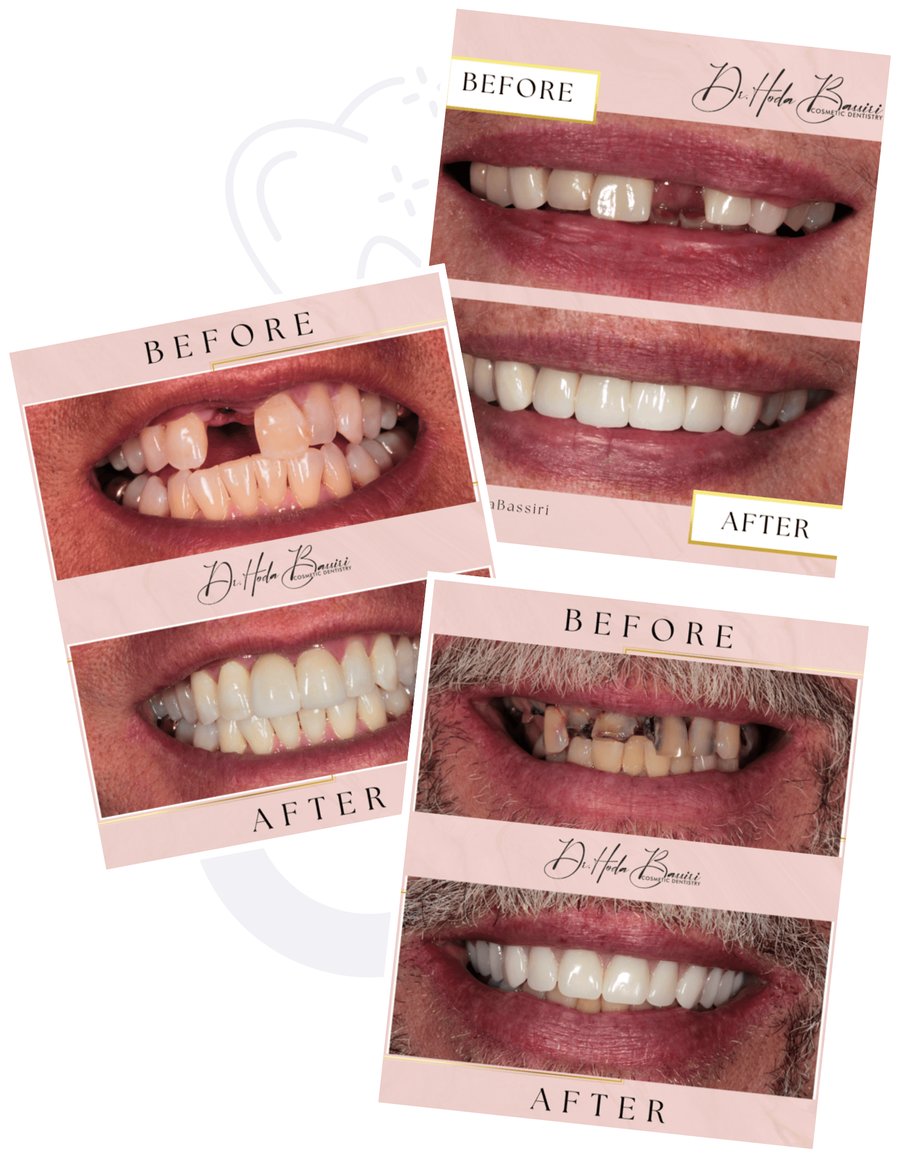
It is easier to think about the cost when you can see what you are actually getting. These are three implant cases from our office, before and after. Every mouth is different, which is exactly why every quote is different, but the goal is always the same: a tooth that looks and feels like it has always been yours.

Before and after photos of three dental implant cases treated by Dr. Hoda Bassiri at Fusion Dental Care in Raleigh
Before and after: three dental implant cases from Fusion Dental Care in Raleigh.

Hear it from one of our patients

I would rather you hear it from someone who has been through it than from me. This is one of our implant patients talking about the experience with our office.

Frequently asked questions

What is the average cost of dental implants in NC?

Across North Carolina, a single implant from consultation to finished crown generally runs $5,000 to $6,500, and that total is often split between a surgical specialist and a general dentist. At Fusion, our membership package covers the entire process, including the scan, surgical guide, surgery, abutment and crown, for $3,500.

Do they pull all your teeth at once for implants?

No. For a single missing tooth we replace only that tooth. Full arch treatment, where a whole upper or lower set is replaced, is a different procedure that we would only discuss if your situation actually called for it. Most of the implant work we do is one tooth at a time.

How painful is it to get teeth implants?

Far less than most people expect. You are numb throughout and feel pressure rather than pain. Afterwards the soreness is usually managed with ibuprofen, and many patients return to work the same day or the next. Several have told me an extraction was harder. If you need bone grafting first, expect a slightly longer recovery.

How do you get implants if you cannot afford them?

Start with the $3,500 package, which removes most of the cost gap on its own. From there we offer CareCredit and Cherry for monthly payments, our own in-office plans, and the option to phase treatment so the implant and the crown are paid for months apart. Come and have the conversation, because there is usually a route that works.

How long do dental implants last?

An implant is designed to last a very long time with good care and regular cleanings. That is the point of doing the planning properly up front. Spread the cost across decades and it becomes a few dollars a month.

Will anyone be able to tell it is an implant?

That is the whole objective, and it is most of the work on a front tooth. The crown is made to match the shade, translucency and shape of the teeth either side of it. This is where it matters that the person placing the implant also understands cosmetic work, because the position of the post determines what the crown can look like. Get the placement wrong and no laboratory can rescue the appearance.

What if I have been missing the tooth for years?

Come in and let us scan it. Bone does recede over time when there is nothing stimulating it, so a long-missing tooth is more likely to need grafting first. But that is not a refusal, it is just an extra stage, and I would far rather tell you exactly where you stand than have you assume the answer is no.

Come and talk to us about your situation

Every mouth is different, and the only way to know what your case actually needs is to look at it. That is what the consultation is for, and it is included.

If you are weighing up an implant, book a visit and we will take the scan, look at the bone, and tell you plainly what is involved and what it will cost. If you want more background first, our page on the benefits of dental implants is a good place to start, and you can read more about my approach and training.

If you are in pain right now, do not wait for an appointment slot. Call us about emergency dental care.

For independent background on implants, the American Dental Association’s consumer site has a plain-language overview of dental implants, and the National Institute of Dental and Craniofacial Research publishes national data on tooth loss.

Skip to content