
Deep teeth cleaning, explained honestly
If a dentist has told you that you need a deep cleaning, there is a good chance you left the appointment with more questions than answers. Is it really necessary, or a way to charge you more? Will it hurt? What does it cost? Is it different from the cleaning you have had every six months for years? Those are fair questions, and most people never get them answered plainly. So here in our Raleigh office we will walk you through what a deep teeth cleaning actually is, why you might need one, and exactly what to expect.
The short version: a deep teeth cleaning, known clinically as scaling and root planing, removes hardened plaque and bacteria from below the gumline to treat gum disease. It is a real treatment for a real problem, not an upsell, it is normally done with numbing so it should not hurt, and the honest way to know your own cost is a proper exam, not a number over the phone.
What a deep teeth cleaning actually is
A deep cleaning has two parts, which is where the term scaling and root planing comes from. Scaling is the removal of plaque and tartar, the hardened deposits that build up on the tooth, including the parts below the gumline that a toothbrush and a routine cleaning cannot reach. Root planing is smoothing the surfaces of the tooth roots so the gum can heal back against the tooth and bacteria have less to cling to. Done together, they clean out the pockets that form between gum and tooth when gum disease sets in.
A deep cleaning is a treatment, not a routine. It is what you do when the gums are no longer healthy and infection has started working below the surface. In our Raleigh office we do deep cleanings ourselves, and for gum disease it is the standard, non-surgical first step, the one that, for most people who need it, stops the problem before it ever gets to gum surgery or tooth loss.
Deep cleaning vs a regular cleaning
This is the question we hear most, because on the surface the two sound alike. The difference is where the work happens and why.
- A regular cleaning (the clinical name is prophylaxis) works at and just above the gumline on a healthy mouth. It removes everyday plaque and tartar, polishes the teeth, and is preventive. It is the cleaning most people get twice a year.
- A deep cleaning goes beneath the gumline, into the pockets where gum disease lives, to remove the buildup and bacteria a regular cleaning cannot reach, and to let the gums reattach. It is treatment for a diagnosed problem, usually done by quadrant, and often with numbing.
So a deep cleaning is not just a more thorough version of your six-month visit, and a regular cleaning is not a lower-cost substitute for a deep one. If your gums are healthy, we would never recommend a deep cleaning. If gum disease has taken hold, a regular cleaning on its own will not fix it, which is why your dentist recommends the deeper treatment instead.
Why you might need one

A deep cleaning is recommended when gum disease has moved past the earliest, reversible stage. In healthy gums the pocket between gum and tooth is shallow, usually one to three millimeters. When plaque and tartar build up below the gumline, the gums become inflamed and the pockets deepen; once they reach about four millimeters or more, a regular cleaning can no longer reach the bottom of them, and that is where scaling and root planing becomes the right tool.
Your dentist does not decide this by eye alone. When we examine your gums, we measure the depth of those pockets around each tooth, and x-rays show whether the bone that holds the teeth has started to recede. Those measurements, along with signs like bleeding, are what the recommendation is based on. In our experience, the common things that point toward needing one:
- Gums that bleed when you brush or floss, or that look red and puffy rather than firm and pink.
- Gums that have started to pull away from the teeth, making teeth look longer.
- Persistent bad breath or a bad taste that does not clear up.
- Deeper pockets measured during your exam, or bone loss showing on x-rays.
- Teeth that feel slightly loose, which is a later sign and a reason not to wait.
Honestly, a lot of gum disease is painless until it is advanced, which is why people are so often surprised by the recommendation. The absence of pain does not mean the absence of a problem, and catching it at the deep-cleaning stage is far better than catching it later, when the options are fewer.
What to expect during a deep cleaning
Most of the worry about a deep cleaning comes from not knowing what happens in the chair, so here is the plain sequence we walk our patients through.
The mouth is divided into four quadrants, and a deep cleaning is often done one or two quadrants at a time across more than one visit. That is partly so each area gets proper attention, and partly so you are not numb across your whole mouth at once.
Before the work starts, the area is normally numbed with a local anesthetic, the same kind used for a filling, so you are comfortable while it is done. For patients who get anxious, nitrous oxide and oral sedation are available too.
Then comes the cleaning itself. Using hand instruments and an ultrasonic scaler, the plaque and tartar are removed from the tooth and the root surfaces below the gumline, and the roots are smoothed so the gum can heal back against them.
A full-mouth deep cleaning commonly takes two appointments, though a milder case can be handled in fewer and a more involved one may take more, depending on how many quadrants are affected and how deep the pockets are.
Does a deep cleaning hurt?
This is the fear that keeps people from booking, so here is the straight answer we give them: during the procedure it should not hurt, because the area is numbed first. What most people feel is pressure and vibration, not pain. Afterward, some soreness and sensitivity to hot and cold for a few days is normal while the gums settle, and it is manageable with an over-the-counter pain reliever and warm salt-water rinses. If you get anxious in the dental chair, say so before you start, because there are ways to make the whole thing easier and we would much rather know.
Aftercare, and why it matters
The deep cleaning does the hard part, but the healing happens in the days and weeks after. For the first day or two, stick to softer foods and keep up gentle brushing and flossing around the treated gums rather than avoiding them. Over the following weeks, as the inflammation goes down, the gums tighten back against the teeth and the pockets get shallower. That is the whole goal, and it is why keeping up your home care matters so much. A deep cleaning gives you a clean starting point; what you do next is what keeps gum disease from coming back.
What a deep cleaning costs
Cost is one of the first things people search when they look up deep cleaning teeth, so we will be straight about it, with one honest caveat: the real number depends on your mouth, so treat the figures here as general national ranges, not a Raleigh price list.
Nationally, scaling and root planing commonly runs around $200 to $400 per quadrant without insurance, so a full-mouth deep cleaning across all four quadrants often lands in the region of $800 to $1,500 before any coverage. The range is wide because the cost tracks how much buildup there is and how deep the pockets have become.
Insurance usually helps, because most dental plans treat scaling and root planing as a basic procedure rather than a cosmetic one, and commonly cover a meaningful share after your deductible. What you actually pay depends on your plan, its annual maximum, and how many quadrants you need. Our team checks your benefits and files the claim for you as a courtesy.
The honest way to get your own number is a proper exam and a written plan, because that is what shows how many quadrants are involved and how deep the pockets have gone. Once we have examined you, we put the plan and the cost in writing, along with the ways to spread it out, so you can ask us and never be caught out by the number. If you have already been told elsewhere that you need a deep cleaning and just want a straight second opinion first, our consultations are complimentary for exactly that, a no-pressure conversation with no hard sell.
Do you really need it? And a word on gum health

Because a deep cleaning costs more than a regular one, it is natural to wonder whether it is truly necessary. The honest answer: if your pocket depths and x-rays show active gum disease, it is the appropriate treatment, and putting it off rarely makes it less expensive. You are always allowed to understand the why behind it, though. A trustworthy practice will show you your pocket measurements and x-rays and explain what they mean, rather than ask you to take the diagnosis on faith, and if you want a second set of eyes on a deep cleaning you have been told you need, we are glad to give you an honest read.
A deep cleaning is also not the end of the story for gum health. Once your gums are treated, most people move onto a schedule of maintenance cleanings, often more frequent than the standard twice a year, to keep the pockets shallow and the disease from returning. Our membership plan is built around the idea that the cleaning you need depends on your mouth, so a patient being treated for gum disease and a patient on routine six-month cleanings are looked after differently rather than charged the same. If you are not sure which you are, that is exactly what an exam sorts out. Getting the gums healthy comes first for another reason too: cosmetic work like teeth whitening is best done on a healthy mouth, so we treat any gum disease before we talk about any of that.
Questions people ask about deep teeth cleaning
Is a deep cleaning really necessary, or is it a scam?
When it is based on real findings, deeper gum pockets measured during your exam and bone loss on your x-rays, a deep cleaning is a legitimate and standard treatment for gum disease, not a scam. The way to tell the difference is to ask to see those measurements and x-rays, because a good practice will walk you through exactly why they are recommending it. If you are ever unsure, a second opinion is reasonable and we are happy to give one.
Does a deep teeth cleaning hurt?
During the procedure it should not, because the area is numbed with a local anesthetic first, so you feel pressure and vibration rather than sharp pain. Afterward, mild soreness and sensitivity for a few days is normal and usually settles with an over-the-counter pain reliever and warm salt-water rinses. If dental anxiety is a concern, tell us beforehand so we can make it easier.
How much does scaling and root planing cost?
As a general national guide, it often runs roughly $200 to $400 per quadrant without insurance, so a full-mouth treatment can land around $800 to $1,500 before coverage, though your real number depends on the buildup and pocket depth. Most dental plans treat it as a basic procedure and cover part of it. The honest figure for your mouth comes from a proper exam and a written plan, which is the only way to see how many quadrants are involved. If you have been told elsewhere that you need a deep cleaning and want a no-pressure second opinion first, our consultations are complimentary for that.
What happens if I do not get a deep cleaning I was told I need?
Gum disease generally does not resolve on its own, so leaving it untreated tends to let it progress: deeper pockets, more bone loss, and eventually the risk of loose teeth or tooth loss, which are harder and more expensive to treat than the deep cleaning would have been. If cost or fear is the reason you are hesitating, tell us, because there is almost always a way to work around both.
Talk to us about a deep cleaning, in Raleigh
If you have been told you need a deep cleaning and you are not sure what to make of it, come let us take an honest look. Our consultations are complimentary, so if you just want a no-pressure second opinion on whether scaling and root planing is really the right step for your gums, that part costs you nothing and comes with no hard sell.
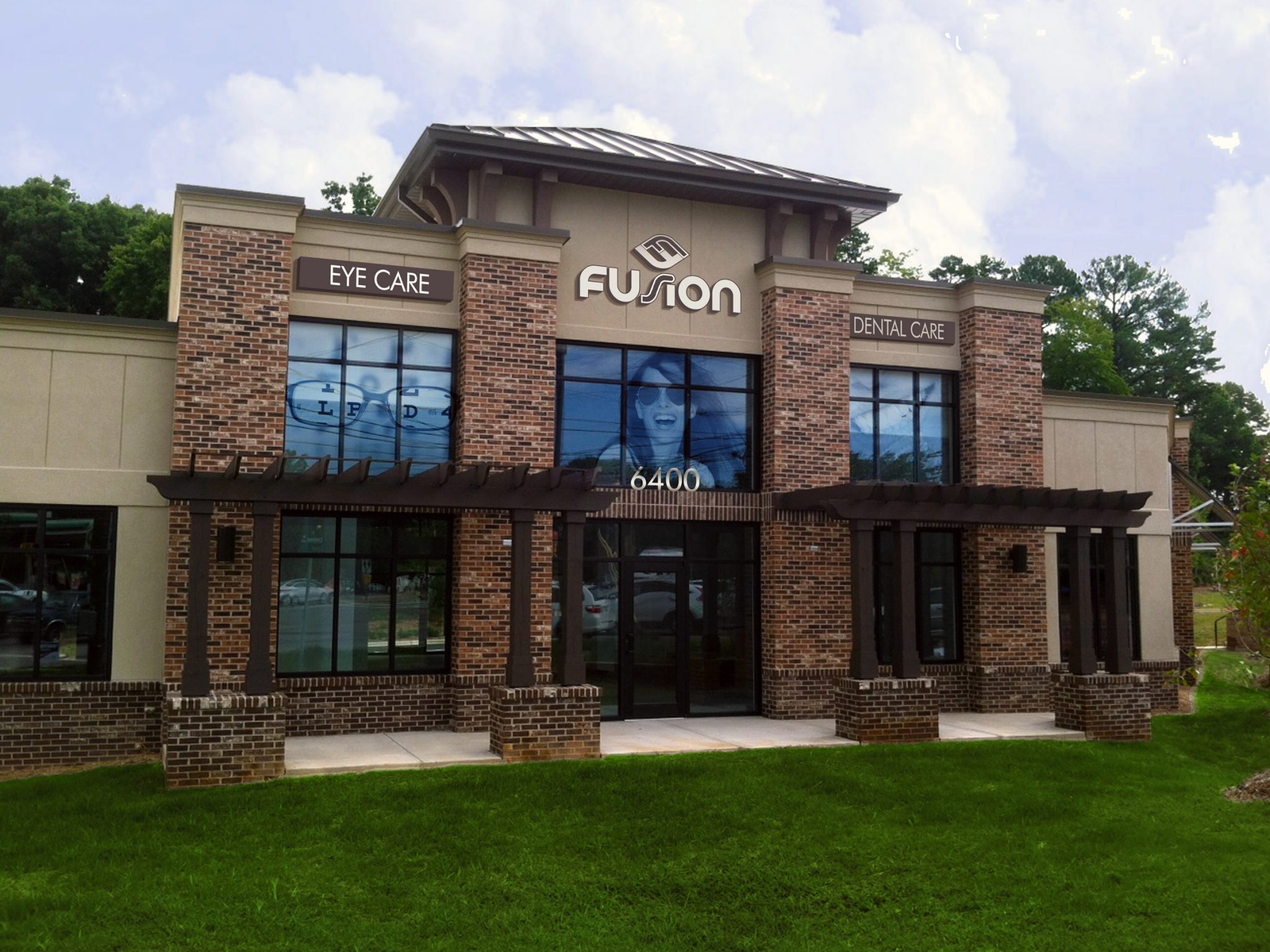
When you are ready for the full picture, a proper exam with x-rays and pocket-depth charting is what tells us exactly what your gums need, and we put the plan and the cost in writing before anything happens, with no surprises. If a deep cleaning is what you need, we do them here and will walk you through every part of it, including how to make it affordable. You can also meet Dr. Bassiri first if you would like to know who you would be seeing. Find us at 6400 Creedmoor Rd #103, Raleigh, NC 27613, or call (919) 977-7438.
Written by Dr. Hoda Bassiri, DDS, who earned her Doctorate in Dental Surgery at the University of North Carolina School of Dentistry and completed a residency in Advanced Education in General Dentistry at the Fayetteville VA Medical Center. She is a member of the American Dental Association, the NC Dental Society and the Raleigh-Wake County Dental Society, and volunteers with Wake Smiles and Missions of Mercy.